
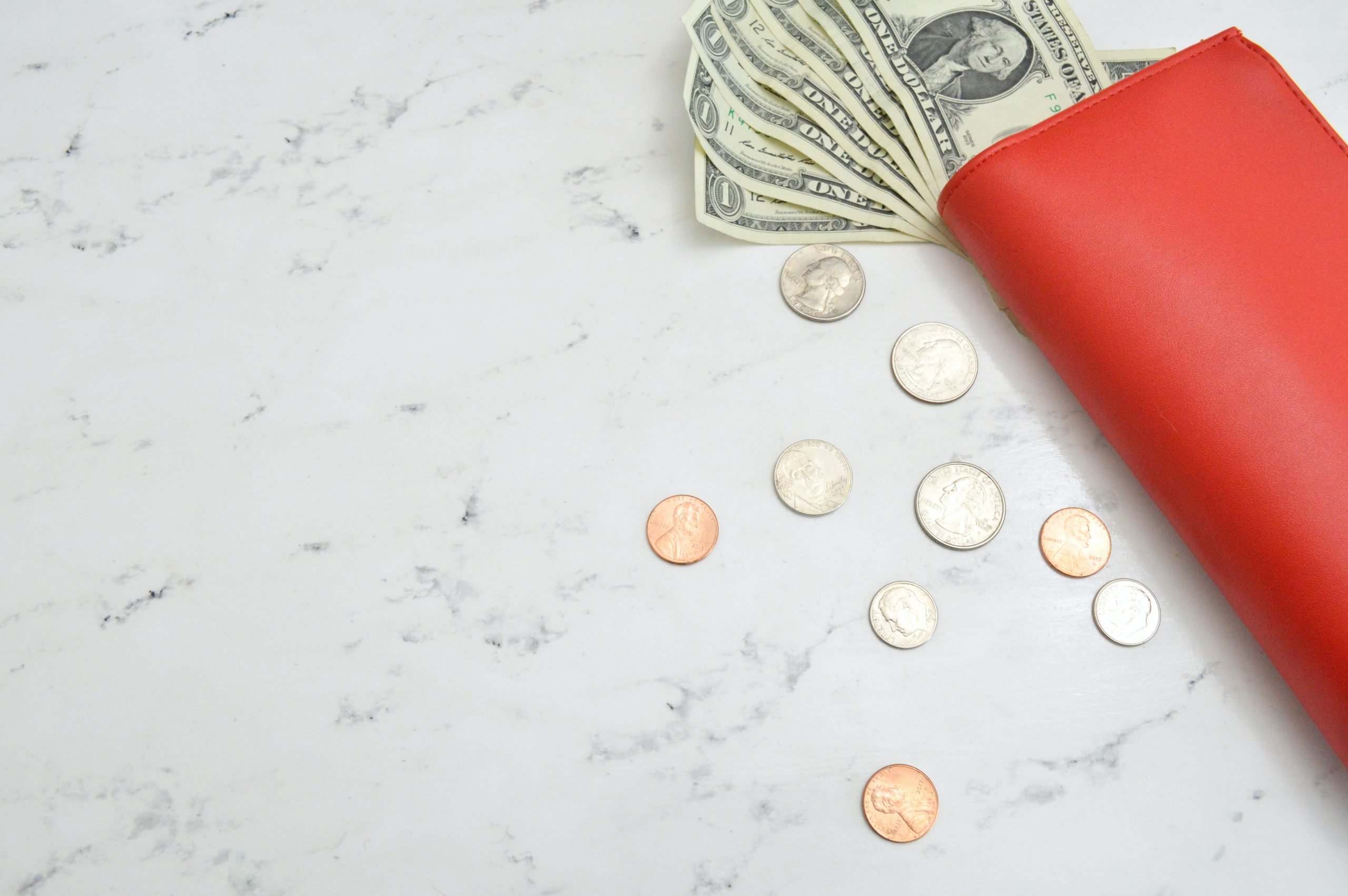
When saving money, it’s seemingly easy for us to go cold-turkey on all things that bring us a sense of joy in life. But what I have found is that this technique can be challenging to carry out successfully. In this blog, I outline three tactics to utilize cutting costs without actually feeling it.
Surprise, surprise: the tactic at the top of the list is operating off of a budget.
Using a Plan to Spend will ensure you know how much you are spending and in what categories. For many people, simply having this in place will end up saving you money. If you don’t know what you’re spending, you won’t know where to cut costs.
My focus here is not to diminish your quality of life. (That is unless you have large amounts of debt to pay off or have recently experienced a job loss or financial setback that requires you to downsize.) I recommend that you look objectively at your finances and subjectively at yourself to see what aspects of your lifestyle matter most to you.
Building and maintaining a Plan to Spend will show you where you allocate the majority of your funds and then allows you to evaluate whether those specific budget line items truly add value to you. A book called Your Money or Your Life goes into this in-depth, looking at your life energy and whether the aspects you are purchasing return the amount of enjoyment that it cost you in life energy to produce the resources to buy that good or service.
The second step in the process is to review your Plan to Spend and rate the value of each line item on a scale from 1-5:
- Absolutely necessary (i.e. utilities)
- Somewhat necessary (i.e. cable)
- Undecided (i.e. phone insurance)
- Somewhat unnecessary (i.e. morning coffee run)
- Absolutely unnecessary (i.e. subscription)
You should drop everything below the undecided line unless it is a nominal cost that adds a lot of value to your life. You can choose whether undecided line items stay or go.
Once this process is complete, you will want to review your behaviors in what you have deemed necessary.
You will be looking for easy trade-offs. For example, I decided to stop drinking soda a number of years ago, but I remember conveniently adding it back in at some point. I then decided to swap it out for something less impactful to my diet: iced tea. Now, while this started as sweet tea, it was a slightly better alternative nonetheless. From that point, I slowly moved to less and less sweet tea.
I decided to do something similar again a few years ago when I dropped coffee.
Knowing what I experienced when I gave up soda, I replaced coffee with hot tea during my morning routine. Once I started drinking tea in the mornings, I would enjoy it similarly to how I drank my coffee: with cream and sugar. I think many people end up not changing their behaviors because they don’t have something different to apply the habit to, so they never actually replace the habit or remove it altogether.
Much like with personal finance, you may feel deprived if you cut out a certain behavior instead of replacing that behavior with a healthier choice. This could simply be ordering water when you eat out, but only when you eat out.
A better alternative will make all the difference.
To reiterate, these steps are:
- Building and maintaining a Plan to Spend
- Cutting costs on behaviors that don’t actually bring you any value
- Replacing behaviors that do bring you value with even better alternatives
CTA: My call to action comes down to building a Plan to Spend. This is the most important component. A Plan to Spend allows you to know where you are.


