
About six years ago, there was a documentary called Minimalism. It outlines the experiences of two friends who, through life experiences, find that they no longer want to pursue the excess of today\’s culture. Both left their high-paying, high-pressure corporate jobs and tried to utilize purchasing things to buy happiness.
The storyline talks about how we are wired to be constantly on the chase because of discontentment and advertising creating noise in our lives.
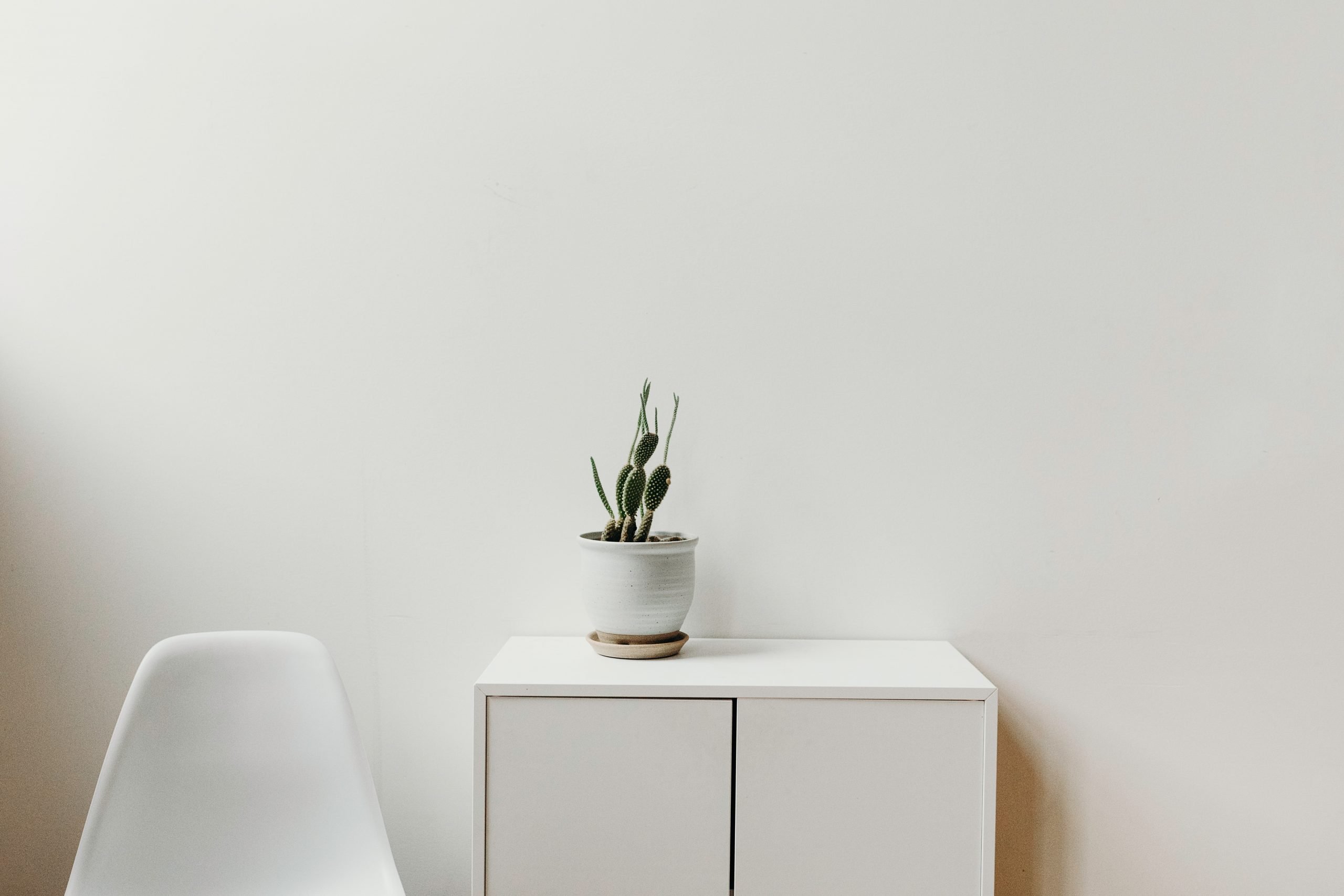
The purpose of minimalism is for every possession to serve a purpose and ultimately bring a level of joy.
But in our current world, the increasing accessibility of stuff has multiplied the size of our homes and the need for additional storage to keep more stuff.
This need for more and more has caused some to begin running the other way. Instead of looking at what people can afford, they are looking at what they can afford.
The documentary mentions that our relationship with things is not the best because our items own us, not the other way around and that there is ultimately more to life than bills, money, and work.
In a hyperconsumerism environment, you\’re not defined by what you do but by what items you own—not realizing what you sacrifice.
This concept is often referred to as deliberate living.
There are a lot of movements around Minimalist living–looking at living with a bigger purpose than just working and adding more responsibility by buying more and maintaining more.
What we\’ve experienced even in the last year is a magnification of the concerns that this documentary puts forth and what we\’ve seen is that household incomes are steadily increasing. Still, housing prices are quickly escaping the affordability of the average American household and then beyond that.
People have gone out and used stimulus checks to buy new cars and more stuff to invest in markets, and it has had this ripple effect of consumerism when you would think that people would be pulling back.
I believe that some of this is due to fears of a recession subsiding. Some people have been coping with these challenges by purchasing items and making their environments as best as possible.
What you\’re seeing is almost like the process of people speeding up the process of hyper-consumerism. They\’re doing this by buying even more than they were before.
Of course, I understand specific subsets of the economy have been hit harder than others, and certain ones may be excelling forward while others are dying off. Still, as a society as a whole, the biggest worry is that this concern that the minimalists laid out has only sped up and increased.
Whether you are a minimalist, prefer to buy things with a great deal of intentionality, or live life in line with the American lifestyle, you need to evaluate the impact of your decisions and whether that lifestyle you\’re living is because of influences outside of yourself or something you\’ve chosen to live out.
I\’ve seen a massive shift of people becoming less and less cautious and more bullish on consumerism in the last year. Although we have all heard of the minimalist movement, we may not have figured out how it aligns and how things have shifted and sped up, even since the movement began.
Call To Action
Look at your current lifestyle and determine the one you want to have. Is what you are pursuing leading to that?
Have a question? Our team would love to help! Email us!


