
Now that you have considered the essential steps to gear up to purchase a car, how do you know what to look for?
When buying a vehicle, consider the intangibles. You may have gotten a great deal on an older German or Swedish car, not considering the maintenance and repairs. When purchasing a vehicle, consider insurance costs, average maintenance, the amount you drive, gas mileage or range, depreciation curve, utility, and use.
Make sure to take the essential needs of what your car must have, such as gas, mileage, number of seats, and towing capacity, then apply this to the options at hand.
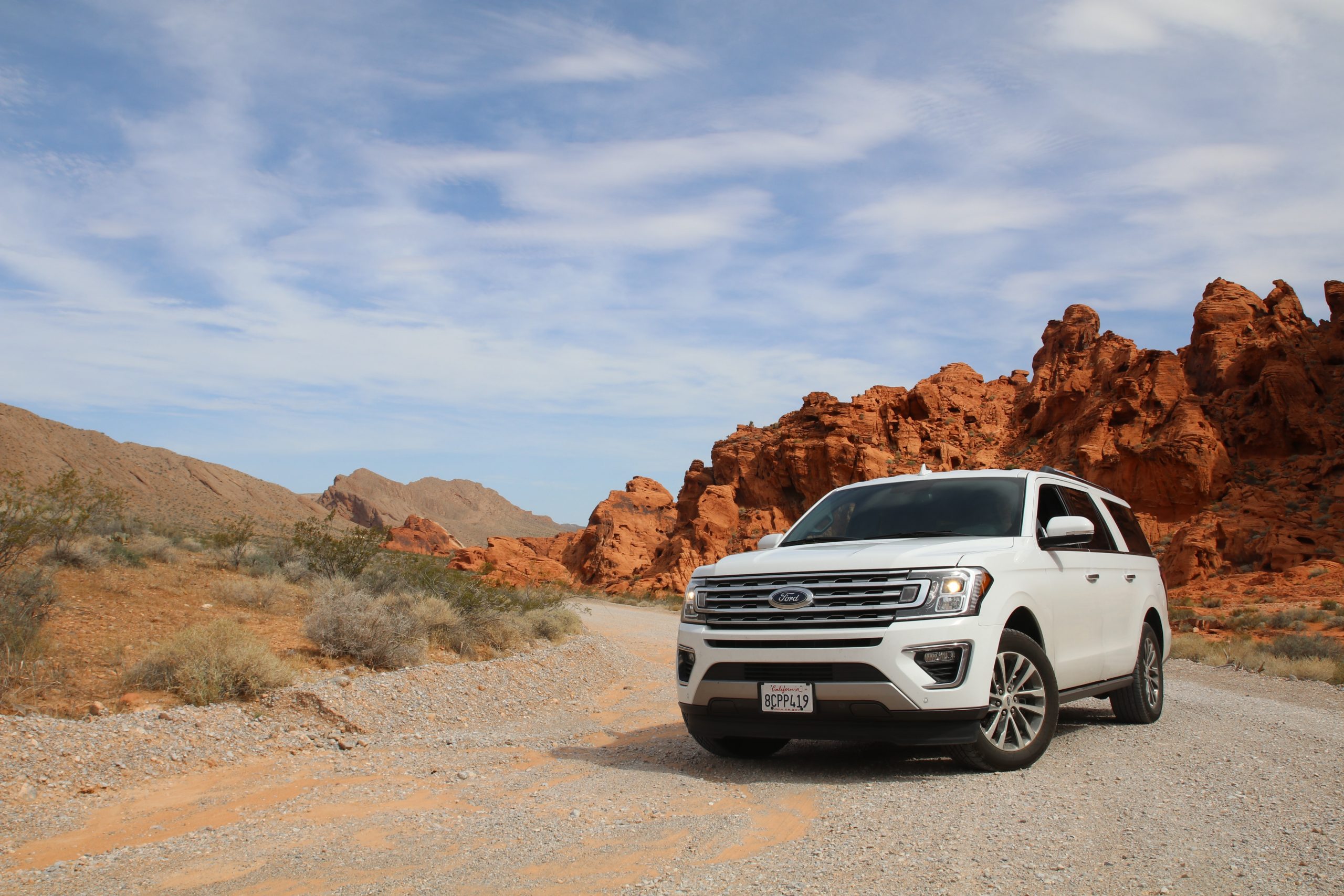
So let’s say you have a family of 5 that has outgrown a small SUV or large sedan, and you are ready to purchase a large 7-8 passenger SUV.
Now, when you look at this purchase, you will want to consider the following;
- Price: in the last episode, we looked at considering your Plan to Spend or Budget, so once you have done this step, let’s say you set a budget of $45k in this case
- Class: you will want to consider the class of the vehicle, as you will typically have a baseline, mid-level, or luxury. For example, a baseline large SUV may be an entry-level Chevrolet Tahoe, a mid-level may be a GMC Yukon, and a luxury may be a Cadillac Escalade. If you are purchasing a large SUV, there will be limited options from the major manufacturers, so this should actually narrow your search quite a bit.
- Age: be realistic; you may buy a 3-4-year-old vehicle with 60k+ miles.
- Options: You may be able to purchase a Tahoe that’s fully loaded and is comparable to a baseline Yukon or purchase one with 2wd instead of either 4wd or AWD, so considering the options is important. Being careful with options to ensure that you don’t buy a vehicle with obscurities will be really important, as this could cause it to be more difficult to sell in the future.
- Condition: This varies widely based on the vehicle you purchase, so you may find a better deal on a Tahoe that has been in an accident and repaired, a rebuilt or salvaged title, but carefully inspecting these for structural integrity and safety will be key.
- Powertrain: Oftentimes, you can save on a vehicle by buying one with a smaller engine, which can have its upsides in areas like efficiency but can also have its downsides in areas like towing capacity. Look closely at the power plant the vehicle has, as this can be easily overlooked.
- Efficiency: Sometimes, hand-in-hand with the powertrain is the efficiency. Vehicles of similar size can change significantly when it comes to their efficiency. So looking at the gas mileage for all vehicles in the class you are looking at will be important.
- Insurance: Surprisingly, vehicles in the same class can have very different insurance premiums. Getting a quote prior to the purchase will help you make the decision.
- Maintenance: Much like the example I used at the beginning of the episode, you will want to consider the ongoing cost of maintenance, especially as you get into some of the luxury brands. Considering reliability from a source like Consumer Reports may help narrow the search.
- Depreciation: Depreciation is a ghost number you realize when selling the vehicle. This is how much the vehicle decreases in value from year to year. Some vehicles depreciate much faster than others, so looking at what the vehicle is worth 3-4 years down the road will help to make sure you don’t buy something that will have too steep of a depreciation curve.
This is not an all-encompassing list of considerations, but once you narrow down the class, year, make, model, and price, it will be a much easier process to then compare vehicles. When searching for a vehicle, use platforms like CarGurus that will allow you to search nationwide to get a general sense of values, then narrow to your specific area.
The most important aspect is that you buy with purpose, based on what is essential to your needs, and buy with the future sale in mind.
CTA:
My call to action is to plan your purchases around buying a vehicle! Don’t let peer pressure dictate when, how much, and what you purchase! Once you’re ready, follow these ten steps to narrow your search and find the right vehicle.


