
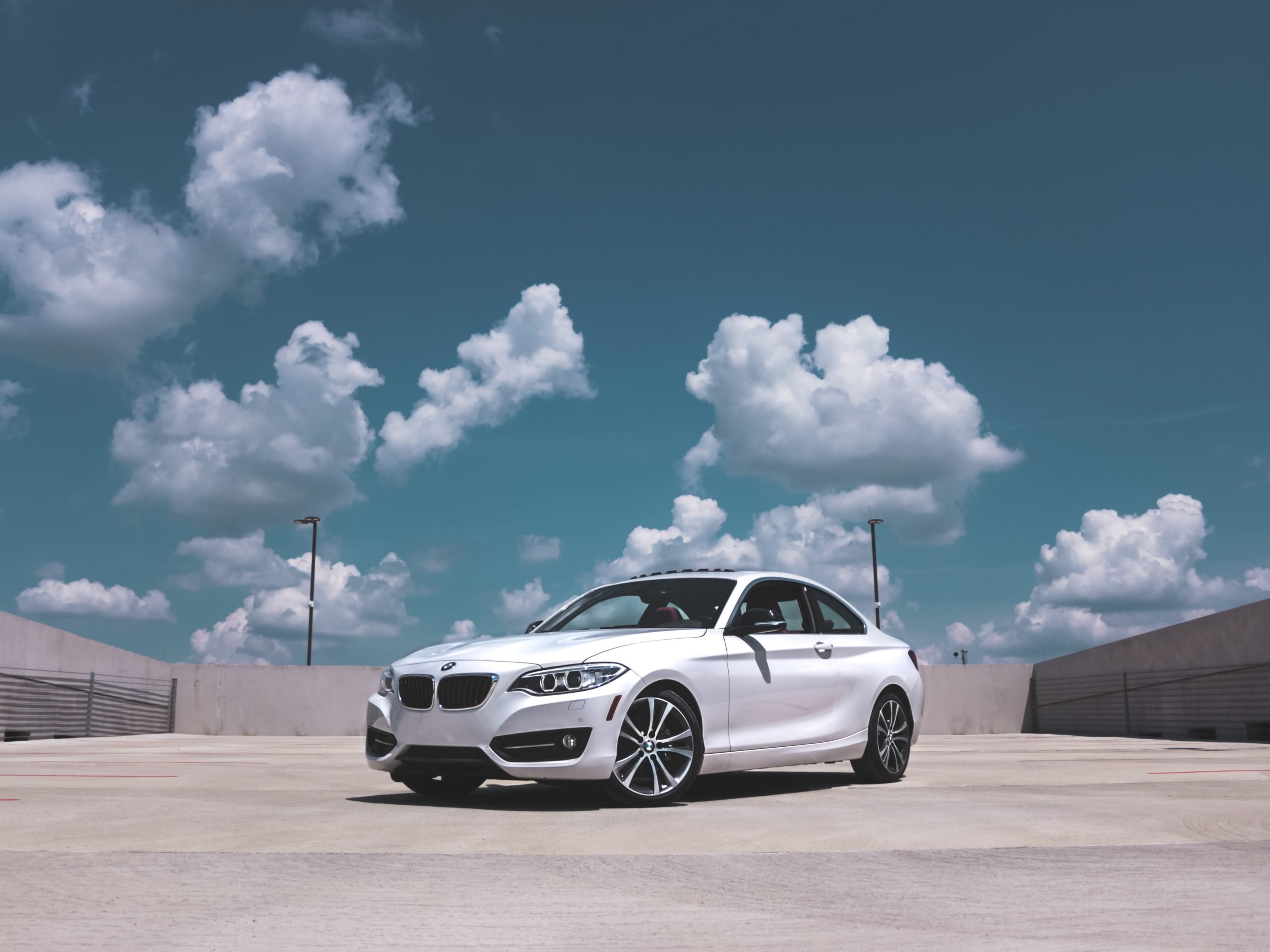
One of my favorite topics is transportation; I have loved everything to do with cars ever since I played with matchbox cars as a kid.
Now, being a car buff of sorts has its drawbacks, though. Growing up, I couldn\’t, for the life of me, remember someone\’s name, but I would always remember the year, make, and model of what they drove.
Oftentimes, embarrassingly, I would know much more about that person\’s car than they would care to know. To this day, I still love to attend car shows and auctions and read about the newest technology and trends.
Supply and Demand
One of the trends that have baffled me is the supply chain issues causing lower availability of new cars, pushing used cars up continuously. It\’s simply the result of supply and demand. If you bought a vehicle 2-3 years ago, it is likely that the vehicle you own is now worth more than it was then. Supply was much higher at that point; therefore, those who were purchasing had more options resulting in better deals.
I am seeing dealerships with high-demand vehicles asking $5-10k over the MSRP or Manufacturer\’s Suggested Retail Price. If you abide by the rule not to purchase a new vehicle due to the massive depreciation curve in the first few years, this hit will be even more impactful when this market calms down.
Now, this has created an environment that is great for selling a car, but much like buying a home right now, it is very difficult to find the right one at the right price.
For most of us, transportation is essential, whether it be public transportation, ride-share, bike, car, or moped. Now there are so many options available, but depending on your physical location, season of life, distance of travel, or budgetary constraints, the form of transportation necessary for your situation may differ significantly.
So, if transportation is necessary–how do you make sure that you are intentionally buying based on your needs?
Let\’s use what would most likely be the most common option for Americans, the car.
Although we may spend less time in the car than we did a couple of years ago, as commuting has decreased, along with traffic in many metropolitan\’s, you probably are back to spending at least a fair amount of time in your vehicle.
Now, if a vehicle is essential to your world, think about what aspects of the vehicle, the options, the ride quality, and the price point, are essential to you. Beyond these, you will want to follow these steps to ensure you are setting yourself up for the right purchase;
- Don\’t buy on emotion
- Have a Plan to Spend or Budget amount before searching
- Get a pre-purchase inspection and history report (Carfax or AutoCheck)
- Build in time in order to find the right vehicle and deal
- Be resolute, and don\’t get talked into something that does not fit your needs
We all need to have a plan for our transportation, which for most people, can be the second-most-expensive purchase made. Making sure that you write down the essentials of what makes the vehicle the right fit and then following these 5-steps will help in your decision-making process.
CTA:
My call to action is to go through these five steps in your buying process, ensuring that you prioritize what is essential in your transportation.


