
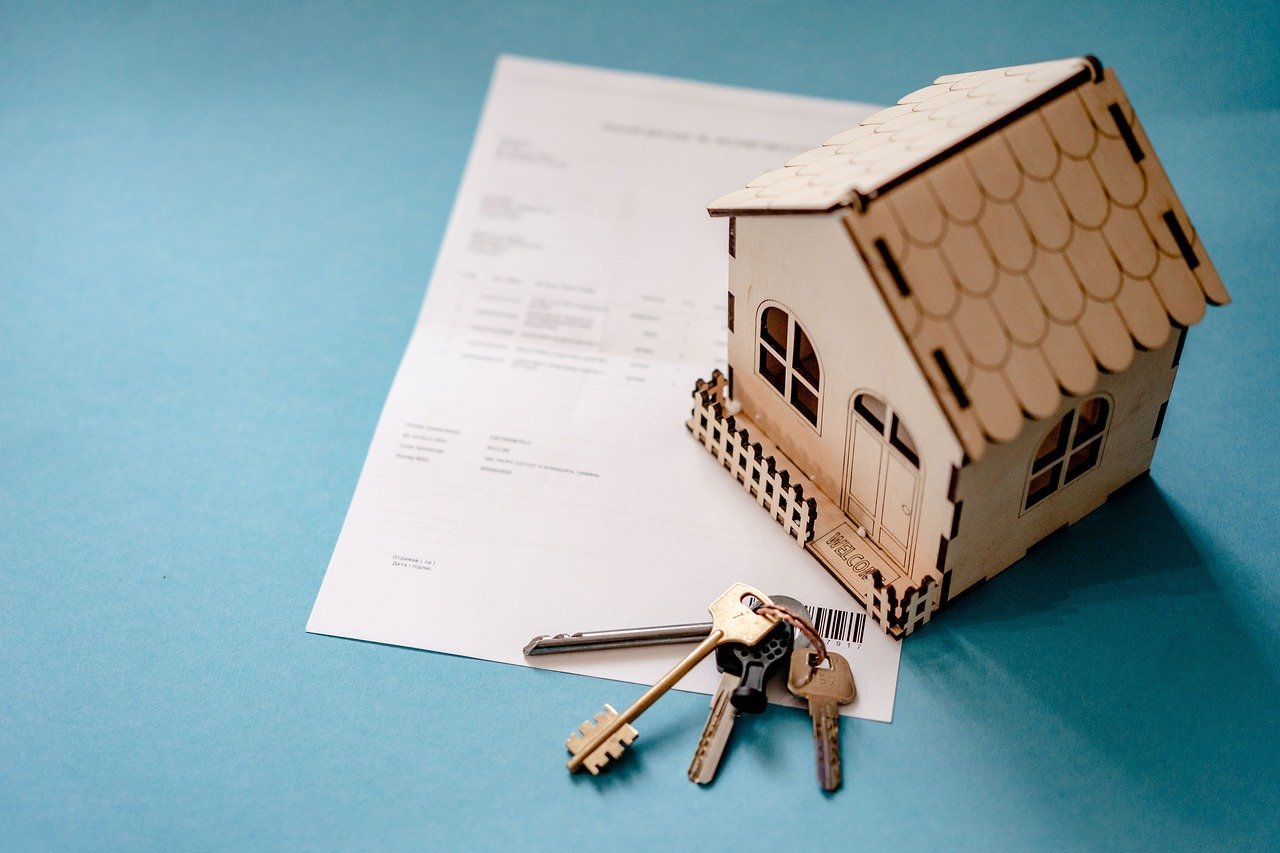
Are you considering placing your home on the market? What needs to be considered before you do so?
Oftentimes with our homes, we can approach them subjectively, thinking about what our wants or needs are in the house. This is fine when we live in that space, but when we go to sell that space, you need to think differently. Thinking like a buyer from an objective standpoint will allow you to ensure that the product you put forth will appeal to the most buyers and, therefore, broaden the interest and potential sale price.
Let\’s look at four simple steps to ensure you pivot your mindset in looking at your space;
1. Declutter
Whether people like to admit it or not, no one likes clutter. Everyone likes to walk into a calming space, so removing all unnecessary clutter like extra furniture, clothing, personal items, books, and anything else that may distract the potential buyer from actually seeing the space will help in the presentation. Decluttering will allow you to go to the next step, repair.
2. Repair
If you are trying to get top-dollar for your home, you will not want someone losing interest due to small maintenance items that you could have taken care of before placing your home on the market. I would recommend that you have someone with an objective opinion on your home, like a real estate agent or qualifying broker, walk through and point out areas that they believe potential buyers would also see once you have gone through the home looking for those items. Once you have decluttered, you will be able to see those areas of disrepair that will need to be addressed. Common areas may be missing caulk around baseboards and sinks, switchplates, loose door handles, and broken flooring. I would set a repair budget so that you\’re not replacing items that will not actually add value to the sale of your home. You may decide to set a budget for $500.00 to take care of broken items around the house which may feed right into the next step, update.
3. Update
Not that you will want to make the final updates to a home just before selling it and, therefore, not being able to enjoy those updates–it\’s important to think about the areas of the home that the potential buyer may add up in their head as they walk through the home. This is outside of just simple repairs. Taking care of minor updates like faucets, lighting fixtures, and door handles can go a long way. Simply starting with the curb appeal and updating your landscaping and front door, leading into the home where there may be painting needed, replacing any flooring that may be a deterrent, and looking at aspects of the home that may communicate to the buyer that they will need to put money into the home can cost you much more in the sale price than just taking an inventory and getting those items completed beforehand. Again, you will want to set a budget of, let\’s say, $2,500 or so in order to get those items taken care of.
4. Stage
Oftentimes, people need to be able to envision themselves in your space, and in order to do so, they need someone to help them do so spatially. Having your space professionally staged can help people logically think through uses for each area of the home. Suppose you have a bedroom you use as an office or workout room. In that case, you may consider staging those as actual bedrooms and ensuring that if your home is advertised as a three-bedroom two bathroom, that you are working to appeal to the largest buyer pool by staging based on the intended use.
Following these four steps prior to listing your home will assist you in making sure that as buyers look at your place as an option, you are putting the best product forward that you can without spending money on aspects that won\’t provide a return to the sale price of the home.
CTA:
My call to action is to objectively walk through your space and look at what you need to do to prepare the place to appeal to the greatest buyer pool.


