
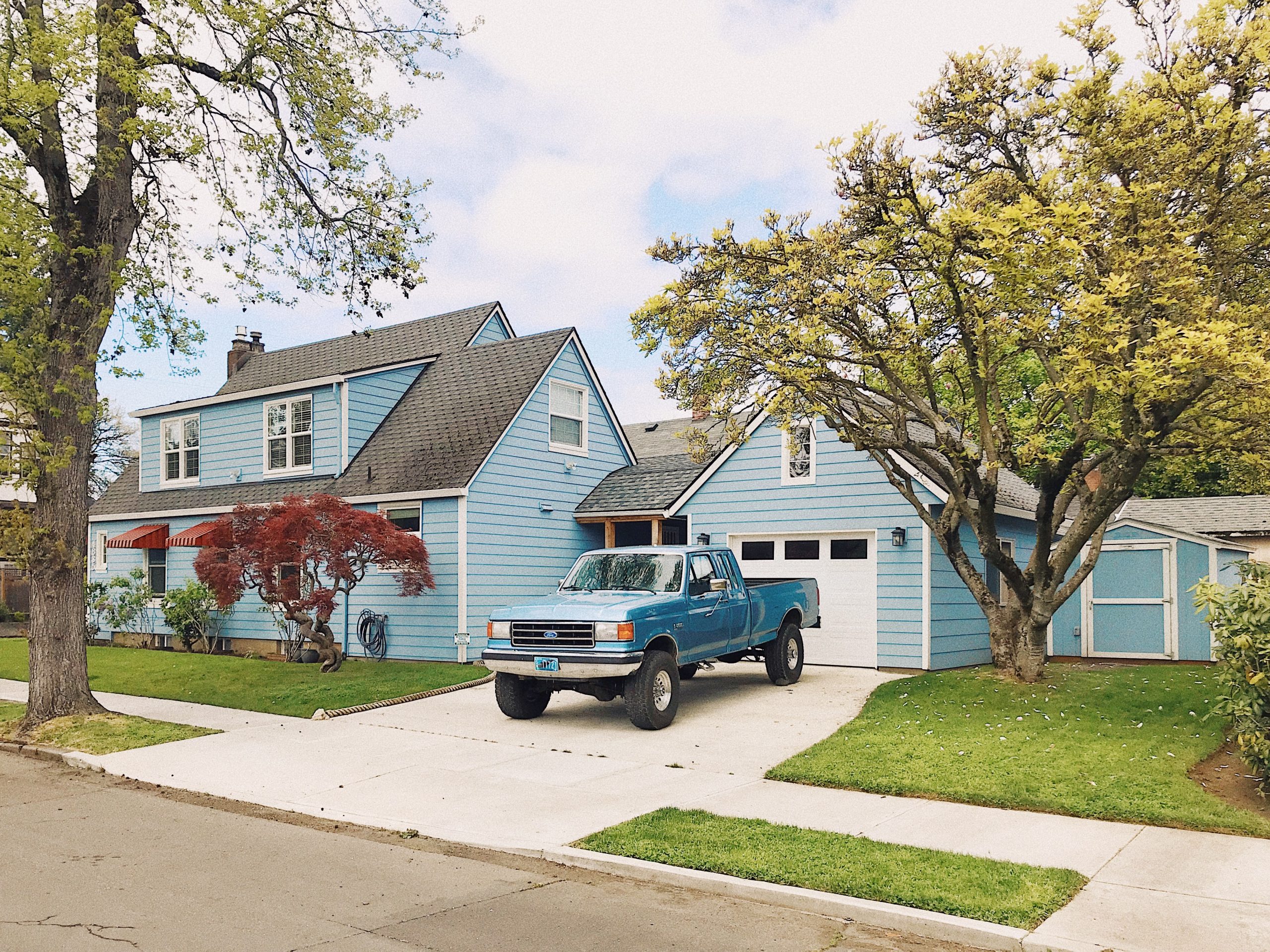
With everything that has transpired over the last year, we have all experienced a very strange phenomenon. A homeownership surge like we\’ve never seen in our lifetimes.
Besides stating the obvious, why did home demand surge far beyond what most would consider reasonable over the last year? Especially being that there were great concerns of a bubble and market correction even before the massive value increases we\’ve seen.
Case-Shiller reports a resource on the U.S. National Home Price Index by the Federal Reserve Bank of St. Louis, which shows a massive increase of 217 in May of 2020 to 244 in May of 2021. This tracks the sales price of single-family homes.
Most of us can probably agree that a double-digit increase year-over-year is unsustainable, but how much of this is a supply issue due to high demand?
Demand is especially high due to people wanting to spread out and have space amidst government-enforced stay-at-home orders, and inventory is low as fewer owners are willing to sell in the inflated market, therefore, having to buy again in the very same market.
However, how can Americans keep up with purchasing when incomes are relatively stagnant at the current growth rate?
The answer is more linked to the lower interest rates allowing for greater buying power.
According to Seeking Alpha, I found an interesting statement that they made. They stated, \”The affordability surge of demand after May 2020 has fueled rising prices for new homes, which have rapidly risen to 5.08X median household income in January 2021.\”
Now, that has only gotten worse in the last six months, but having affordability being 5X means that a household income of $60k would be purchasing a $300,000 home.
Now, if this were the only area of concern, the only area experiencing inflation, that would be one thing. However, sharply increasing housing costs paired with stagnant incomes make owning a piece of the American dream challenging for many Americans.
In this theme, we are going to discuss shelter, looking at the investment, protection of the investment, reinvesting to renovate and remodel, cost of capital, utilities, and ways to lessen the burden associated with high housing costs.
The purpose of this is to help encourage you to become educated in purchasing, maintaining, and selling what is most likely your most expensive purchase.
Your home is typically the largest budget line item in most people\’s budgets, so be sure that you are thinking through the purchase to ensure that you have evaluated your needs and how the dwelling meets the needs that you have is so important. Beyond knowing whether your dwelling meets your needs, it\’s also important to know how much you are and should be spending on that space.
Sometimes this aspect, in particular, can cause issues as there is so much competing information on how much of your income you should spend on your mortgage, utilities, insurance, taxes, repairs, HOA, and all of the other components that can potentially go into the purchase, upkeep, and eventual sale of your home.
CTA:
My call to action is to think about your living situation, think about where you live geographically, the neighborhood you are in, the type of dwelling, and what you pay in order to live in the area you live.


