
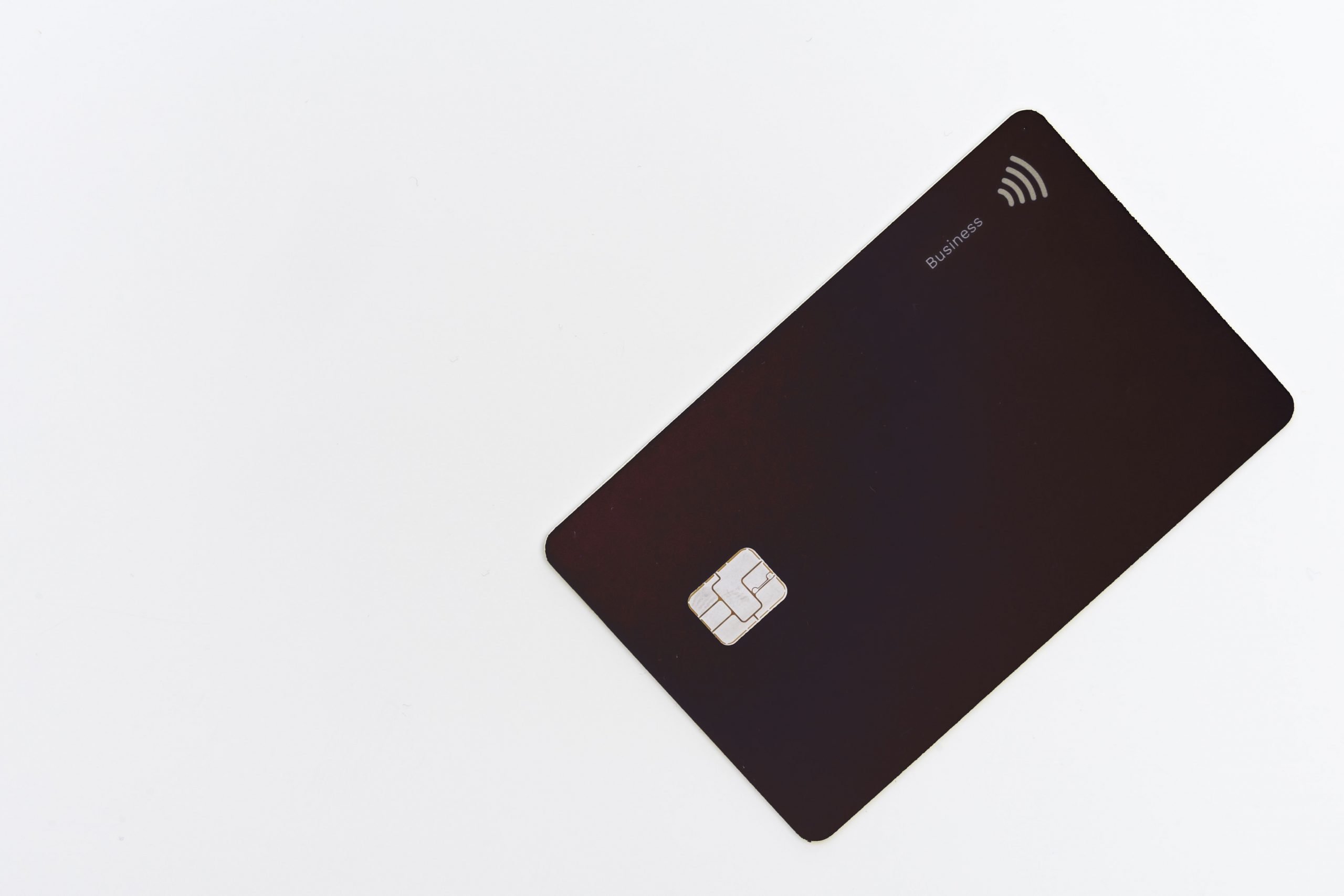
Everyone comes out of the woodwork to express their expertise around credit cards. Whether it\’s beating the system, figuring out ways to use points to fly around the world, or using credit card arbitrage, the goal is for the credit card industry to hurt from having you as a customer.
However, credit cards (whether you use them or not) are part of an industry whose marketing and advertising strategies are heavily funded.
And because of that, tons of people hold these cards and large balances to boot. Unfortunately, we have seen some significant impacts on people\’s personal finances due to using credit cards and not getting themselves out of debt.
A recent report from thebalance.com said that revolving debt set a record of about 1.1 trillion in February 2020. That was higher than the previous record of over one trillion set in 2008. Obviously, that\’s not a good record to surpass, but that does show the amount of credit utilized without paying off the balance every month.
I remember when I got my first credit card. There was some 0% introductory rate on my college campus. I took advantage of that offer by getting my Citi card. Originally, it was a Citi MTV card, but they\’ve upgraded them over time. This experience proved to me that advertising and marketing on campus successfully get these cards into young people\’s pockets early on. They encourage people to use their cards for purchases that they can\’t afford in a lot of cases (mine included). People often keep a revolving balance on their cards. And, over time, they become an unenthusiastic, long-term customer.
It\’s proven that we spend more when we use plastic versus cash.
I was reading through some articles related to the studies behind that phenomenon, and one, in particular, caught my attention. It was by an affiliate of LendingTree, and their research had shown that people are willing to spend more (as much as 83% in some cases) when paying with a credit card instead of cash. We generally end up using our credit cards as a form of a bailout plan for ourselves. We don\’t ask ourselves, \”Can I actually afford this?\” Instead, we look at it from the standpoint of, \”Well, I don\’t have to pay this off until later. And if I\’m charged interest, it is what it is.\” Is that perspective really in the best interest of your financial future?
WalletHub states that the average percentage rate for a new card is 18%, and that of established cards is 15%. When you\’re looking at our prime rate being 3% higher than the federal fund\’s rate (and that\’s hovering right around 0% right now), the credit card companies are making out like bandits when we are operating in a low-interest environment. As I mentioned before, I\’m in corporate finance, and I actually do use credit cards; I have two. I manage those credit lines to maintain my credit because there\’s often a vetting process in corporate positions for finance and accounting. It goes without saying that companies want to make sure that you are managing your finances well before they allow you to manage theirs.
My call to action today is to log in to each of your credit card accounts in which you may be a primary or a secondary.
Figure out how much debt you are in, first and foremost. Second, what percentage does each of those credit cards sit at? And then, when was the last time you contacted that credit card company to see if you could get a better rate? Sometimes, people don\’t have because they don\’t ask. I encourage you to call your credit card institutions and see if you can get more favorable terms.


